Top Things to Do in Sydney
- homeSydney
Sydney is Australia's biggest city and usually the first stop for anyone visiting the country. Because there are plenty of in Sydney. It has a working harbour that doubles as a scenic backdrop, more good beaches than most people can visit in a single trip, a food scene that changes character every few suburbs, and enough neighbourhoods with their own personality that no two visits ever look quite the same.
Most visitors arrive with the same three stops on their list the Opera House, Bondi Beach, and the Harbour Bridge. They are worth seeing, but ask any Sydneysider where they actually spend their weekends and you get a completely different answer. This guide covers both sides of the city, the icons every first-time visitor should see, and the gardens, beaches, walks, and neighbourhoods that locals actually go for instead.
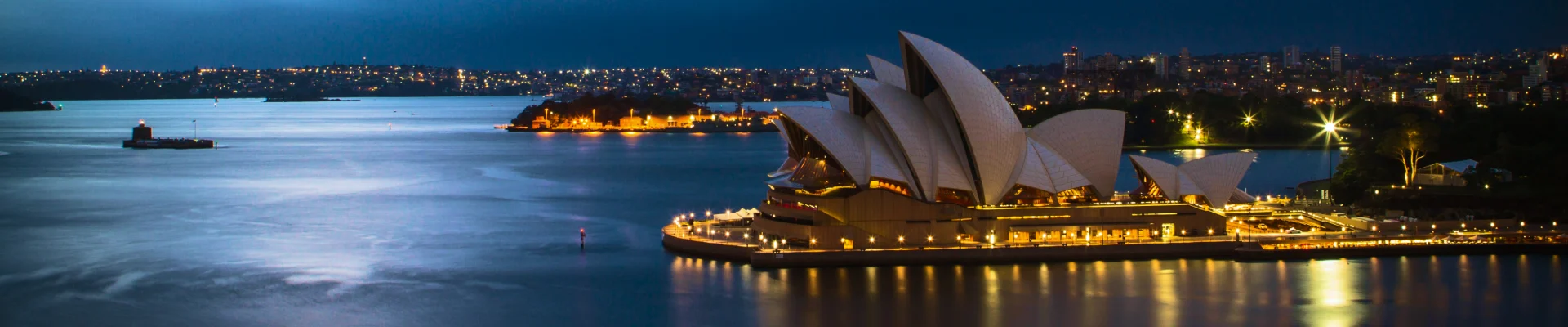
Sydney Opera House sits on Bennelong Point with its sail-shaped roof instantly recognisable worldwide. Beyond photos from the forecourt, it is a working performance venue hosting over 1,600 performances each year, from opera and ballet to contemporary dance and symphony concerts. Guided tours run daily in multiple languages, and the exterior and forecourt are free to explore any time.
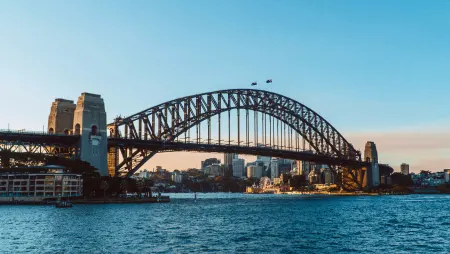
Sydney Harbour Bridge nicknamed the Coathanger, offers a few ways to experience it. Walk across for free, join a guided BridgeClimb to the very top for sweeping 360 degree views, or take the more affordable BridgeMuseum option for a similar payoff at a fraction of the price.
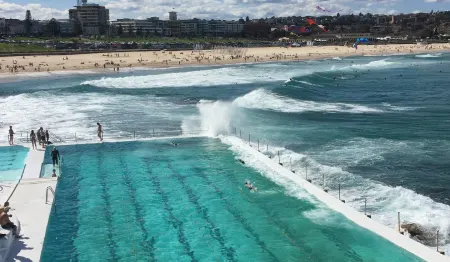
Bondi Beach is Australia's most famous stretch of sand, known for its surf culture, the Icebergs ocean pool at its southern end, and the coastal walk that starts right at its edge. People book surf lessons here. It gets crowded, but it earns its reputation.
Taronga Zoo Sydney on the harbour's north shore in Mosman, home to more than 4,000 animals across both native Australian and international species. The Australian Walkabout exhibit is the highlight for most visitors, offering close encounters with kangaroos, wallabies, emus, and echidnas. The giraffe enclosure has a better harbour outlook than most Sydney apartments. A 12-minute ferry from Circular Quay delivers you almost to the entrance, cruising past the Opera House along the way. Entry costs around $57 for adults and $33 for children, making it one of the more reliable family-friendly outings in Sydney.
Darling Harbour is Sydney's family-focused waterfront precinct built around a cluster of attractions within walking distance of each other. SEA LIFE Sydney Aquarium has sharks, penguins, dugongs, and a walk-through tunnel for close encounters with marine life. WILD LIFE Sydney Zoo covers native Australian species in a compact city-centre setting. The Australian National Maritime Museum has hands-on exhibits that work well for kids. Plenty of dining options and regular light shows make it a pleasant place to spend an evening.
Established in 1816, the Royal Botanic Garden spreads across 30 hectares right beside the harbour, mixing manicured themed gardens with wide open lawns that fill up with picnickers on warm afternoons. The garden sits close enough to the Opera House that combining both into a single stroll takes no extra effort. Mrs Macquarie's Chair is a sandstone bench hand-carved by convicts in 1810 for the then Governor's wife, offering one of the best free views in the city, taking in the harbour, the Opera House, and the Bridge from a single vantage point. Entry to the garden is free.
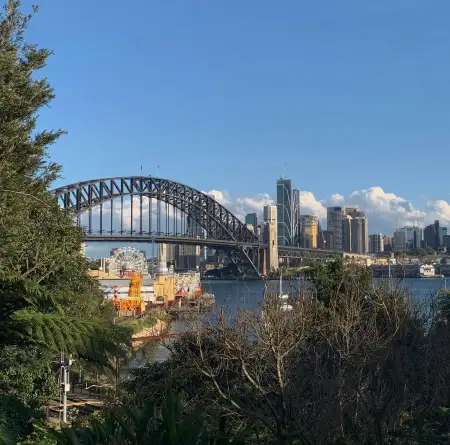
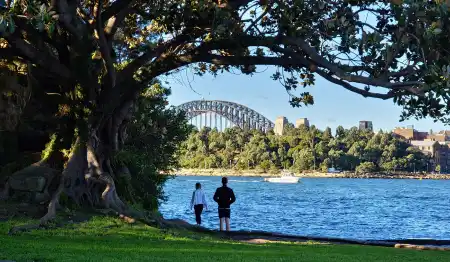
Wendy Whiteley's Secret Garden is tucked into Lavender Bay beneath the Harbour Bridge and is one of the most genuinely underrated one in Sydney. Artist Wendy Whiteley created it in the 1990s on unused railway land, and today it is maintained entirely by volunteers. Free entry, quiet winding paths with glimpses of the harbour through the trees, and a favourite spot for a slow morning away from the crowds.
Angel Place is a CBD laneway between George and Pitt Streets filled with 180 hanging birdcages, part of a permanent art installation called Forgotten Songs representing 50 bird species that once lived in the area before European settlement. Easy to miss if you are not looking for it.
Brickpit Ring Walk in Sydney Olympic Park is an elevated circular walkway over a former brickyard turned wildlife habitat. Quiet, free, and almost always empty of tourists.
Paddington Reservoir Gardens is a sunken garden built inside a converted 1800s water reservoir in the heart of Paddington. Very few visitors to Sydney know it exists.
Foundation Park in The Rocks is hidden behind a row of shops on Playfair Street, containing the preserved ruins of eight terrace houses from the 1870s. Free to walk through and genuinely fascinating.
When locals want a swim, the Bondi crowds push most residents toward quieter alternatives.
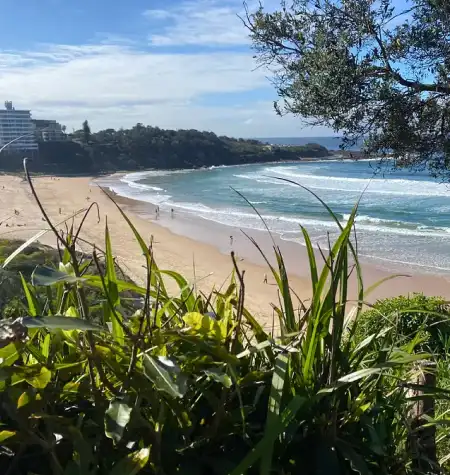
Manly Beach is reached by ferry from Circular Quay and pairs a laid-back surf town feel with The Corso, a pedestrian strip lined with surf shops leading straight to the sand.
Coogee Beach is often called the local alternative to Bondi, with a wide grassy reserve, plenty of cafes, and a trio of ocean baths including the women-and-children-only McIvers Baths.
Bronte Beach sits 40 minutes by coastal walk south of Bondi and picks up good swell for surfers. The Bronte Baths at its southern end offer calmer swimming. Bronte Surf Life Saving Club was established in 1903 and is one of Australia's oldest.
Balmoral Beach is the pick for families thanks to gentle currents and enclosed swimming areas, plus a string of good cafes nearby including the well regarded Bathers' Pavilion.
Watsons Bay sits inside the harbour with calm protected swimming at Camp Cove and views back across the water to the CBD skyline. Doyles Seafood Restaurant has operated here since 1885.
Chinamans Beach in Mosman is a long narrow strip of sand reached through Roscherville Reserve, almost always peaceful. Collins Flat Beach is a secluded cove just minutes from busy Manly that most day-trippers walk straight past. Little Bay in Randwick is sheltered from big swells and good for a relaxed swim. Shark Beach in Vaucluse has harbour views and clear water without the Bondi crowds.
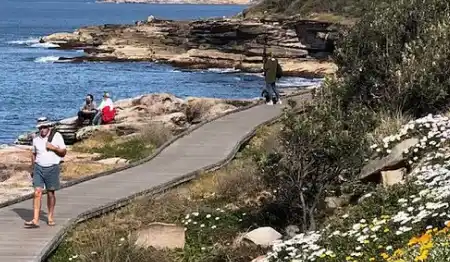
Bondi to Coogee Coastal Walk runs roughly 6km past Tamarama, Bronte, and Clovelly before finishing at Coogee, about 2 hours at a relaxed pace. Locals still do this walk, just earlier before 8am or after 4pm to avoid the midday crowds.
Spit to Manly Walk runs about 10km along the north side of the harbour through bushland inside Sydney Harbour National Park, passing hidden beaches like Clontarf and Reef Beach. Allow around 4 hours and pack water.
Federation Cliff Walk covers about 5km of clifftop track with sweeping Pacific Ocean views and noticeably fewer people than the Bondi to Coogee stretch.
Beyond the CBD, Sydney's real character shows up in its neighbourhoods. Spending an afternoon wandering any of these gives a far better sense of daily life in Sydney than a rushed trip through the city centre.
Newtown and Enmore have vintage shops, live music venues, and some of the best coffee in the city. King Street has more personality per block than most of the city centre.
Surry Hills has laneway cafes and cocktail bars locals treat as regular haunts, not tourist stops. A mix of old terraces and newer apartments gives it a lived-in feel.
Balmain has a quieter harbourside feel and is a short ferry ride from the city. Leafy streets and a slower pace, a world away from the centre.
Glebe is bohemian and unhurried with second-hand bookshops and a relaxed university town pace. Home to the popular Saturday Glebe Markets.
Sydney takes coffee seriously enough that international chains have struggled here. Starbucks famously closed most of its Australian stores in 2008 and never fully recovered. The city's coffee scene runs on independent specialty roasters rather than chains. The flat white has its roots here and is now a global cafe staple. Surry Hills is dense with well-regarded roasters, Newtown leans toward a more laid-back bohemian cafe scene, and Marrickville has quietly become a hub for newer community-focused coffee spots. Walking into almost any independent cafe in these neighbourhoods will get you a genuinely good cup.

Sydney Fish Market on Blackwattle Bay is one of the best food experiences in the city. Go early before 10:30 am for the best selection of oysters, sea urchin, and lobster before the crowds arrive.
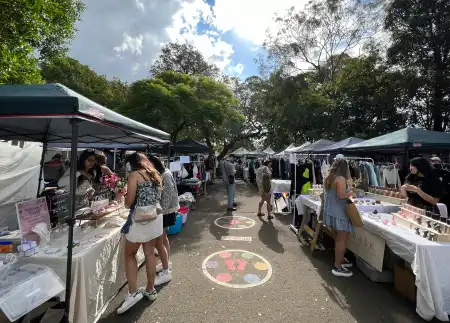
Glebe Markets run every Saturday, 10 am to 4 pm, at Glebe Public School with over 200 stalls of vintage fashion, handmade goods, and food trucks. Free entry with live music on the lawn.
Paddington Markets have been running since 1973 on Oxford Street with around 150 stalls focused on local designers.
Meat pies are a genuine Australian staple eaten on the go far more often than any guidebook suggests. Eat streets worth knowing are King Street in Newtown, Crown Street in Surry Hills, and Enmore Road for a mix of cheap eats and neighbourhood restaurants. Sydney also has a genuinely strong Asian food scene with standout options across Chinatown, Cabramatta, and Marrickville.
For a night out without the crowds of a big arena show, locals turn to smaller more intimate venues. The Enmore Theatre hosts regular concerts in a setting that feels personal without being cramped. Candlelight Concerts bring classical music into small churches and cosy venues lit entirely by candlelight. Mary's Underground is a bar and small venue space good for catching live sets without booking months ahead.
Watsons Bay Boutique Hotel sits right on the water with views toward the city skyline and a history going back to 1937. Still a common pick for a sunset drink with visiting friends. Arrive by ferry from Circular Quay for the full experience.
Newtown nightlife centres on King Street, mixing dive bars, live music venues, and a younger, more alternative crowd. Surry Hills leans more toward cocktail bars and laneway venues, with Crown Street as its main artery.
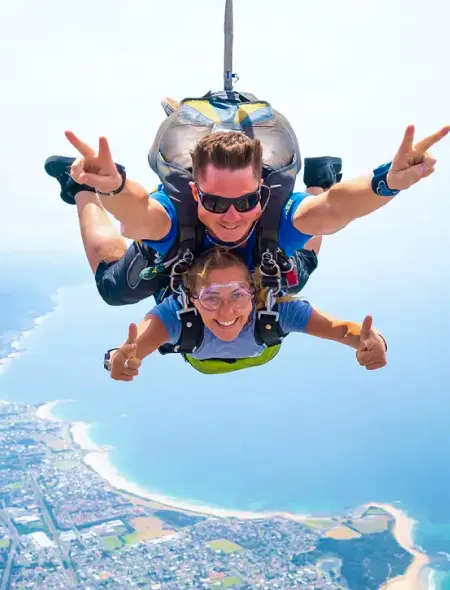
Skydiving over Wollongong offers a 15,000ft tandem jump with sweeping coastal views, popular with thrill seekers without leaving the greater Sydney area.
Jet boating on the harbour cuts through Darling Harbour at speed, a short sharp adventure fix that suits travellers with limited time.
Sunrise hot air balloon flight over the Camden Valley southwest of the city drifts quietly over the countryside as the sun comes up, well suited to couples wanting something scenic rather than adrenaline heavy.
Seeing Sydney from the water gives a completely different perspective than viewing it from land. Harbour sightseeing cruises run past the Opera House, the Bridge, and the harbour's smaller islands, usually lasting one to two hours. Sunset cruises time the same route for golden hour, often paired with cocktails. Dinner cruises stretch the experience into a full evening with a multi-course meal on board. The regular Sydney Ferries network doubles as a scenic ride at a fraction of the cost, and the Manly ferry in particular is considered one of the best value harbour experiences in the city.
Note that the private Manly Fast Ferry departing King Street Wharf does not accept Opal cards and costs $15 each way. The public F1 Manly Ferry from Circular Quay takes 30 minutes and is the Opal-compatible option.
The full Harbour Bridge Climb is iconic but comes with a price tag of around $300 per adult. The Sydney Harbour Bridge Museum, which officially opened in May 2026 inside the south-east pylon replacing the former Pylon Lookout, offers a very similar experience for a fraction of the cost. 200 steps up from The Rocks, entry costs around $29, and the views take in the Opera House, the harbour, and the city skyline in every direction. The museum inside the pylon is an immersive, interactive experience covering the history and construction of the bridge. One of the best value attractions in Sydney for the experience it delivers.
Known to locals simply as the Royal, this heritage-listed park south of Sydney is one of the world's oldest national parks, established in 1879. It covers 16,000 hectares of coastal scenery and bushland within about an hour's drive of the CBD. The Coast Track offers dramatic clifftop scenery, while trails pass Aboriginal rock engravings created by the traditional Dharawal people. During whale season between May and November, the clifftops double as one of the better whale watching spots in the region. Entry costs $12 per vehicle per day and the park is easily reached without a car via train to Cronulla followed by a short ferry to Bundeena.
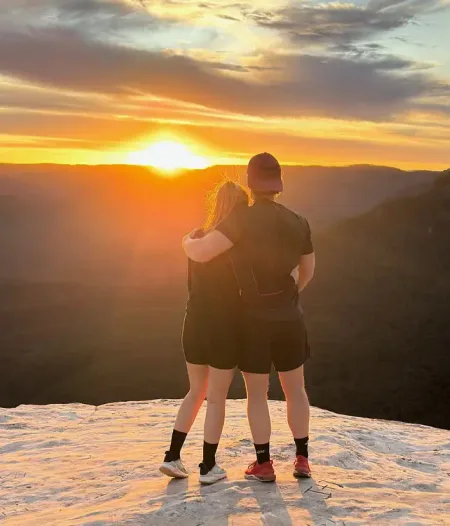
The Blue Mountains sit around 90 minutes west of Sydney and rank among the most popular day trips from the city. This UNESCO World Heritage-listed area is known for the Three Sisters rock formation, forest walks, waterfalls, and Scenic World. An independent trip by train from Central Station to Katoomba takes just under two hours. Leura village is worth the extra stop and is often overlooked in favour of busier Katoomba.
The Hunter Valley, about two hours north of Sydney, is one of Australia's oldest wine regions. Day tours typically stop at three or four cellar doors and often include lunch at a vineyard. The region is known for Semillon and Shiraz. Hot air balloon experiences at sunrise are popular for those wanting to combine wine with something more scenic. Most visitors book through a guided tour since driving between cellar doors after tastings is not recommended.
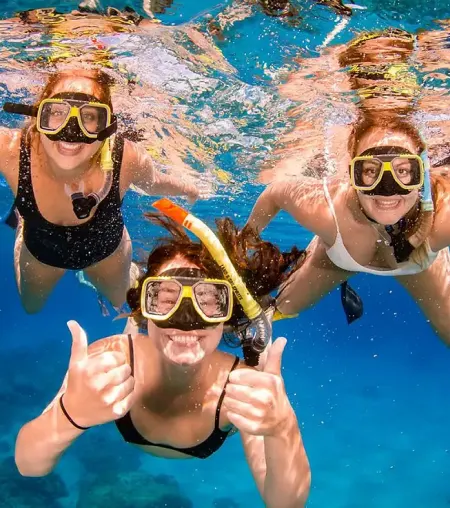
Summer (December to February) is peak beach season, hot, humid, and busy, with New Year's Eve fireworks drawing enormous crowds to the harbour foreshore. One of the world's most iconic New Year's celebrations with multiple fireworks shows from 9pm and midnight. Best for swimming but the most expensive and crowded period.
Autumn (March to May) has some of the most comfortable weather of the year, still warm enough for the beach early on, with noticeably fewer crowds than summer.
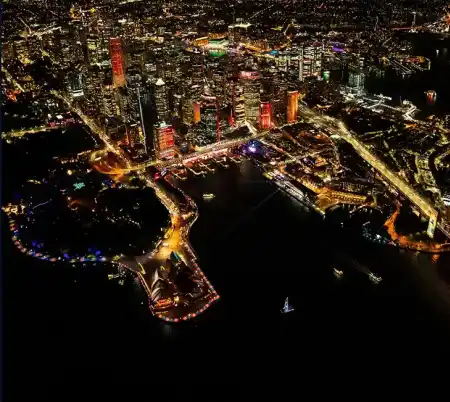
Winter (June to August) is cooler and rarely cold by international standards. Vivid Sydney, the Southern Hemisphere's largest festival of light, music, and ideas, typically runs late May to mid-June and is one of the best reasons to visit Sydney in winter. The 2026 festival ran 22 May to 13 June with over 80 percent of events free to attend.
Spring (September to November) has pleasant temperatures and good conditions for outdoor sightseeing without summer's peak crowds or pricing.
2 Days covers the major highlights: the Opera House, Harbour Bridge, Circular Quay, The Rocks, and a half day at Bondi Beach. Tight but workable if Sydney is one stop on a longer trip.
3 to 4 Days adds proper time at the beaches, a visit to Taronga Zoo or Darling Harbour, and a chance to explore one or two neighbourhoods.
5 to 7 Days is enough to add a day trip or two, the Blue Mountains, Royal National Park, or Hunter Valley, without feeling rushed.

Sydney runs on an integrated public transport system covering Metro, trains, buses, ferries, and light rail. Adults do not need a physical Opal card you can simply tap on and tap off using a contactless credit or debit card, or a mobile device. You will pay the same adult Opal fares and receive the same travel benefits.
The adult daily travel cap is $19.30 from Monday to Thursday and $9.65 on Fridays, weekends, and public holidays. The weekly cap is $50 from Monday to Sunday. Fares vary depending on the distance, transport mode, and time of travel, with a 30% discount available on Metro, train, bus, and light rail services during off-peak periods.
Sydney Airport has an additional station access fee when travelling to or from the airport stations, and this fee is not included in the normal daily or weekly Opal travel caps.
For central Sydney, walking is often the easiest way to explore areas such as the CBD, Circular Quay, and The Rocks. You generally do not need a car for the city centre, where traffic and parking can make driving less convenient.
Swim between the red and yellow flags at patrolled beaches since Sydney's beaches can have strong rips even on calm-looking days. Carry sunscreen and reapply it since the Australian sun is stronger than it looks even on overcast days. Use public transport rather than driving in the CBD for cost and to avoid congested inner-city traffic. Book popular attractions ahead, like the Opera House tour, BridgeClimb, or Blue Mountains tours, especially during summer and school holidays. Check the weather before coastal walks since sections like Spit to Manly are exposed with little shelter. Carry water on any walking track since not all routes have refill points. Download the Opal Travel app or a trip planner like Citymapper to navigate the transport network easily.

CBD is the most convenient base for first-time visitors, close to Circular Quay, transport links, and most major attractions, though generally the most expensive option.
Circular Quay and The Rocks offer harbour views and attractions, within walking distance of the Opera House and Bridge.
Bondi suits those wanting a beach lifestyle, with a longer commute into the city but a more relaxed beachside pace of life.
Manly is a relaxed coastal stay connected to the city by a scenic ferry ride.
Surry Hills is walkable to the CBD but with a distinctly more local atmosphere built around food and nightlife.
Darling Harbour suits families given its proximity to the Aquarium, WILD LIFE Zoo, and IMAX.
Sydney's famous landmarks earn their reputation, but the city's real personality lives somewhere else entirely. It lives in the Lavender Bay Garden most visitors never find, in the ocean pools locals have been swimming in since the 1880s, in the Newtown bars where the music is live and the crowd is local, and in the Watsons Bay beer garden on a Sunday afternoon with the harbour spread out in front of you.
The best Sydney local experiences are not hidden because they are difficult to find. They are hidden because most visitors do not look beyond the standard three stops. Mix a few of these into your trip, and you will leave with a version of Sydney that most tourists never get to see. That is the one worth coming back for.