10 Things Nobody Tells You About Scuba Diving in Australia
- home10 Things Nobody Tells You About Scuba Diving in Australia
Scuba diving in Australia lives up to the postcards. Turtles glide over the Great Barrier Reef, the SS Yongala wreck off Townsville has been collecting marine life since it sank in 1911, and in Sydney you can dive straight from the shore among weedy seadragons.
What the postcards leave out is everything around the dive: the medical form you have to fill in, the stinger suit you may need to wear, the buffer day before your flight home, and the fact that the best reef is a long boat ride from the coast. This guide covers ten practical things worth knowing before you book, whether you are trying scuba diving in Australia for the first time or are already certified.
| Topic | What to Know |
|---|---|
| Licence | Not needed for an introductory dive with an instructor. Certification is needed to dive independently. |
| Medical | Everyone completes a questionnaire, and some people need a doctor's clearance. |
| Stinger season | Mainly November to May in tropical Queensland. |
| Water temperature | Around 25–29°C in Cairns, and 16–25°C in Sydney depending on the season. |
| Wetsuit | Light in the tropics, up to 7 mm in Tasmania. |
| Flying | Leave a buffer day after diving. |
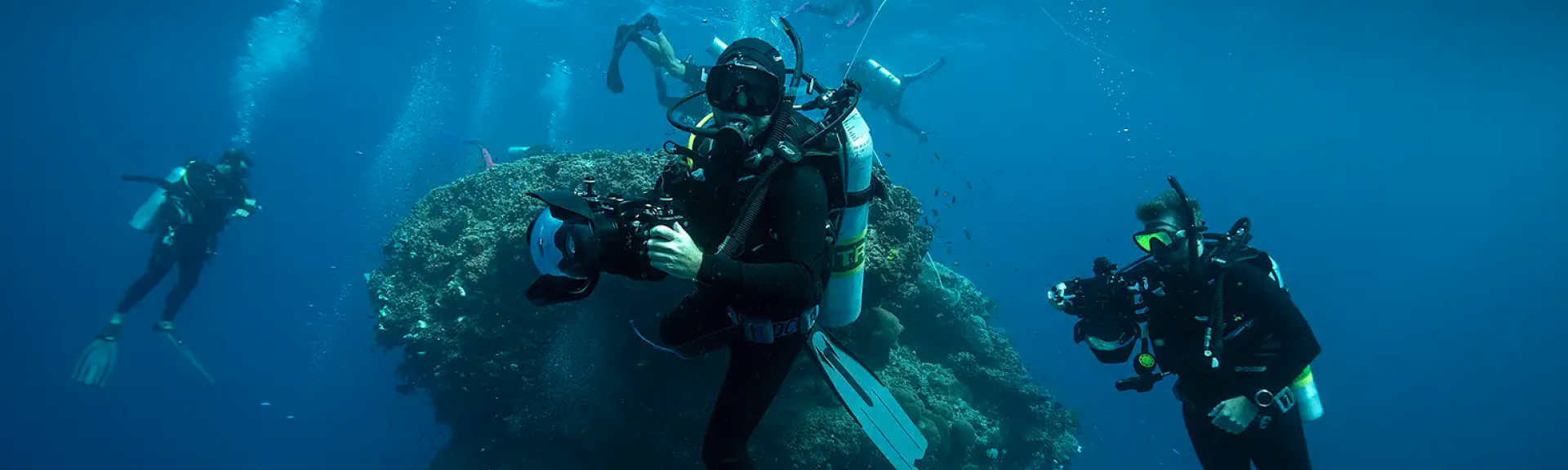
Most people picture the Great Barrier Reef, and for good reason. But Australia’s coastline stretches over 60,000 kilometres, and here, scuba diving falls into five major categories:
Each type has its own conditions, skill requirements and best season, so decide what you want to see before you choose where to go. A diver who loves coral and one who wants to see sharks or seadragons could end up in very different places if they don’t make the right choice.
Many first-time visitors assume the reef starts at the beach. It does not. The healthiest reef is mostly on the mid to outer part of the Great Barrier Reef, and the most remote sites, such as the Ribbon Reefs and Osprey Reef in the Coral Sea, can only be reached by liveaboard.
That leaves three broad ways to dive the reef:
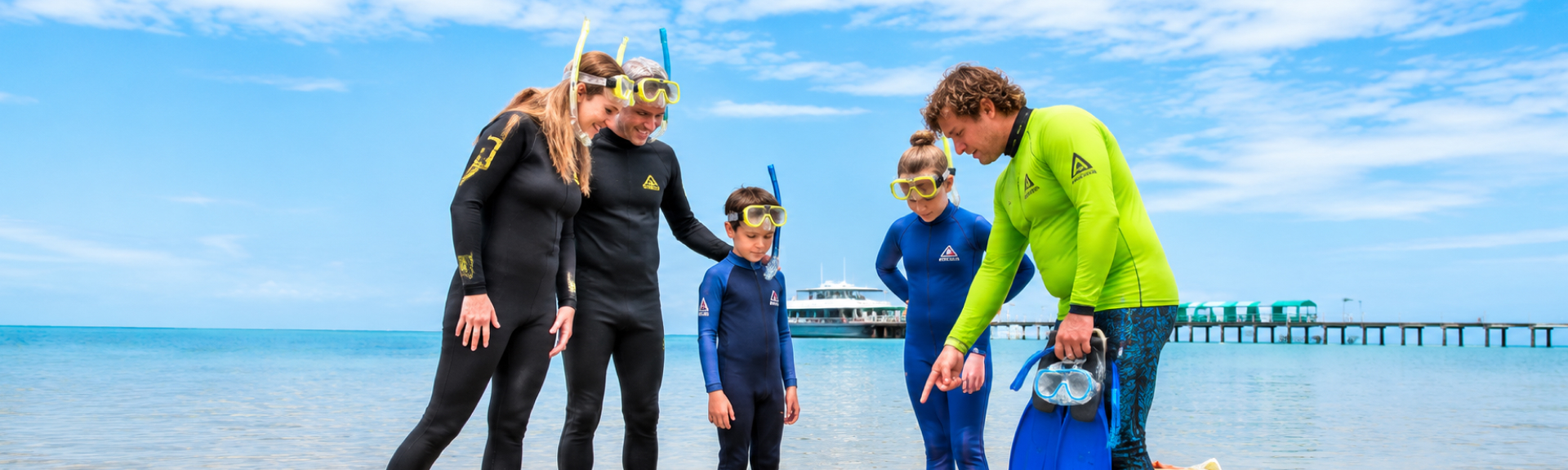
You do not need to be certified to try scuba diving in Australia. Most reef operators offer a Discover Scuba (introductory) dive, where an instructor briefs you, teaches the basic skills and stays with you underwater. Independent diving is different: for that you need an Open Water certification.
What catches people out is the paperwork. Every diver, including first-timers, completes a medical questionnaire before getting in the water. If you answer yes to any of the questions, you will need a doctor to sign you off first, so deal with it before you travel rather than on the boat.
Some conditions, such as asthma, heart disease or diabetes, and some medications can stop you from diving, and some operators ask divers over 45 to get clearance regardless.
Answer honestly. Operators can refuse to let you dive if the form is incomplete or incorrect, and it is there to protect you.
Also check your travel insurance. Every policy does not cover scuba diving, so read the wording or consider dive-specific cover.
Tropical Queensland has box jellyfish and Irukandji, both of which can be dangerous. The risk is highest from about November to May, although experts prefer to call this the high season because stings happen at other times of the year too.
The good news for divers is that the risk out on the reef is low, and stinger suits are available to hire on tour boats. Expect to wear one on many trips between November and May. It is also worth knowing that stinger nets at beaches stop the large box jellyfish but not the much smaller Irukandji, so a suit still matters when you are swimming near the coast.
Before you go, read the first-aid guidance on a reliable health site such as Healthdirect, and know that in an emergency you should call triple zero (000).
Australia is not uniformly warm, and the wetsuit you need depends entirely on where you dive.
| Region | Typical water temperature | What to wear |
|---|---|---|
| Cairns and the Great Barrier Reef | About 25–29°C throughout the year | A stinger suit or light wetsuit |
| Sydney in summer | About 22–25°C | A lighter wetsuit |
| Sydney in winter | About 16–19°C | 5 mm for one dive, 7 mm or a semidry for several |
| Tasmania | Cool year-round | 7 mm is the recommended minimum |
| Melbourne and Victoria | Cool year-round | A thick wetsuit or dry suit |
A 5 mm suit is enough for a single dive in 15–17°C water, but you will feel it by the end of a long dive. If you are doing back-to-back dives or tend to get cold, a thicker suit makes a big difference. Rental gear is usually available, so ask your operator what they supply.
There is no single best month for scuba diving in Australia, because the country spans tropical and temperate waters.
If you are flexible, think about what you want to see first and pick your season around that.
A lot of travellers learn to dive on the Great Barrier Reef, and the courses are easy to find. Check out this 5-day Learn to Dive Course + 2 Nights Liveaboard Experience. Typical Open Water courses run three to five days, and the price on the listing can differ enormously. Recent listings range from about $619 for a four-day Open Water course to $945 or more for other formats, and around $1,065 for a four-day course that includes two reef day trips.
The difference usually comes down to what is in the package. Before you compare, check:
If you are short on time or just curious, a Discover Scuba dive is a lower-commitment way to try it. If you think you will dive again, certifying on the reef is a popular choice.
Diving adds nitrogen to your body, and flying too soon afterwards raises the risk of decompression sickness. Guidance varies between operators, but the rule of thumb is to leave a gap of at least 12 to 24 hours, with longer being safer after several dives.
Operators in Queensland generally advise waiting 24 hours before flying or going to altitude, and many say never to book a flight on the same day as your last dive. Altitude means about 300 metres above sea level, so it matters for scenic trips inland as well as for flights, for example to the Atherton Tablelands.
While planning to do scuba diving in Australia, it’s ideal to accommodate a buffer day in your itinerary.
The reef has been through a lot. Scientists have recorded six mass bleaching events between 2016 and 2025, and the southern reef suffered record heat stress in 2024.
The latest news is encouraging. The Australian Institute of Marine Science published its 2025–26 annual report in August 2026, and it found that a late monsoon helped the reef begin to recover. Surveys of 121 reefs found only limited impacts from the 2025 bleaching event, and coral cover across the northern, central and southern regions increased slightly or stayed similar. Northern and central reefs sit above the long-term average, while the south is slightly below it. You can read the full AIMS reef condition summary.
What this means for you is that the reef is not uniformly healthy or damaged. Conditions vary from reef to reef, so ask your operator which sites they visit and how those reefs look this season. Wear reef-safe sun protection, and keep your fins and hands off the coral.
You do not have to go to Queensland to dive. Sydney is known for some of the country’s best shore diving, with sites such as Shelly Beach, Magic Point, Bare Island and Oak Park around the city.
Shelly Beach is sheltered, has an easy entry and a maximum depth of about 14 metres, which makes it a good first shore dive. At The Steps in Kurnell, you can see weedy seadragons in water about 10 to 12 metres deep, and winter is often the clearest time to go. Further south, Victoria’s piers and South Australia’s jetties offer sheltered dives with plenty of small, strange marine life.
If you are on a budget, or travelling outside the reef’s best season, shore diving is an excellent way to get in the water.
Yes, for an introductory dive. Operators run Discover Scuba dives where an instructor guides you, and you do not need to be certified. To dive independently, you need at least an Open Water certification. Everyone must complete a medical questionnaire.
It depends on what you choose. A certification course can cost from around $600 to more than $1,000 depending on the length, the number of reef trips and whether a liveaboard stay is included. Introductory dives and day trips cost less.
For the Great Barrier Reef, April to November has the best visibility, and late August to early December is often ideal. For Sydney and New South Wales, the calmest and clearest conditions are usually from April to September. Summer in the tropics is stinger season, so you will have to wear a stinger suit.
Sharks and rays are part of the draw at some sites, such as grey nurse sharks at Wolf Rock, and operators brief you on how to behave. In tropical Queensland, the main seasonal concern is stingers from about November to May, which is why suits are provided on many trips.